







































Talk to an Expert

Smart Contract Development Company

Smart contract development is the process of designing, auditing, and deploying self-executing on-chain code that enforces business rules without intermediaries. SoluLab builds these contracts for DeFi protocols, DAOs, token launches, and enterprise workflows across Ethereum, Base, Polygon, BNB Chain, Solana, and seven other networks, with most engagements live in 4 to 8 weeks.

  • Threat modeling before the first line of code
  • Reduce Development Cost
  • Audit-ready by default
View Case Studies (opens in a new tab)
ISO 27001:2022 Certified Company AICPA SOC 2 CMMI Level 3
Forbes
CoinDesk
Bloomberg
TechCrunch

What You Get with Our Smart Contract Development Services

We help businesses by building smart contracts that fit their unique operating needs. With the right contract logic in place, processes run automatically, things move faster, and you cut out middle layers.

Smart Contract Consulting

Smart Contract Consulting

We start by helping you decide what really needs to be on-chain and what doesn’t, because bad early decisions quietly increase risk and cost later.

Smart Contract Design & Development

Smart Contract Design & Development

We handle the full development of smart contracts around your business logic, whether it’s DeFi, tokens, NFTs, or internal workflows, built to behave predictably in production.

Smart Contract Architecture

Smart Contract Architecture

This is where most problems are avoided. We plan how contracts talk to each other, upgrade over time, and survive growth without needing rewrites.

Smart Contract Audit

Smart Contract Audit

Before anything goes live, the code is reviewed for logic gaps, edge cases, and security risks, so issues don’t show up when real funds are involved.

Testing & Optimization

Testing & Optimization

We test contracts under realistic conditions and trim unnecessary gas usage, which directly lowers the cost of smart contract operations as usage grows.

Token Development

Token Development

If your project includes tokens, we design supply rules, vesting, staking, and controls in a way that stays flexible but doesn’t break trust later.

Oracle Integration

Oracle Integration

When contracts need outside data, we integrate oracles carefully, because bad data inputs can be just as dangerous as bad code.

Smart Contract Deployment

Smart Contract Deployment

Deployment is handled step by step across Ethereum, BNB, Polygon, TON, or other networks, making sure nothing behaves differently once it’s live.

Smart Contract Integration

Smart Contract Integration

We manage the integration of smart contracts with wallets, dApps, dashboards, and backend systems, so users aren’t fighting the product just to use it.

CTA Background

Build Smart Contracts Before Your Market Copies the Idea

40+ smart contract deployments shipped across DeFi, tokens, NFTs, and enterprise workflows, with zero critical failures in production and millions in on-chain value already secured.

Talk to a Smart Contract Architect

How Much Does Smart Contract Development Cost?

Smart contract development typically costs $3,000 to $25,000. A single ERC-20 or BEP-20 token contract sits at the low end. Staking, vesting, and NFT royalty logic runs mid-range. Full DeFi protocols with oracles, upgradeability, and multi-chain deployment reach the top of the band or beyond. Third-party audit fees are separate.

Scope
Typical cost
Timeline
Audit needed

Single token contract (ERC-20 / BEP-20)

Typical cost:

$3,000 – $6,000

Timeline:

1 – 2 weeks

Audit needed: Recommended

Token + vesting, staking, or distribution

Typical cost:

$6,000 – $12,000

Timeline:

2 – 4 weeks

Audit needed: Yes

NFT collection with royalties and marketplace hooks

Typical cost:

$8,000 – $15,000

Timeline:

3 – 5 weeks

Audit needed: Yes

DAO governance and treasury suite

Typical cost:

$12,000 – $20,000

Timeline:

4 – 7 weeks

Audit needed: Yes

DeFi protocol (lending, DEX, yield)

Typical cost:

$18,000 – $25,000+

Timeline:

6 – 10 weeks

Audit needed: Mandatory

How Smart Contract Development Services Drive Real Results

Smart contracts replace manual coordination with code-backed execution, which means fewer moving parts, faster outcomes, and systems that behave exactly as designed, even at scale.

Blockchain-Level Security

Blockchain-Level Security

Smart contracts live on-chain, which removes single points of failure. Rules are enforced by code, not people, so tampering becomes much harder.

Transparent & Tamper-Proof Records

Transparent & Tamper-Proof Records

Everything is written to the blockchain as it happens. Ownership and transactions stay visible, which reduces disputes and trust gaps later.

Instant Execution & Speed

Instant Execution & Speed

Once conditions are met, execution happens instantly. There’s no waiting for approvals or third parties to move things forward.

Precision-Driven Workflows

Precision-Driven Workflows

Smart contracts don’t guess or adjust on the fly. They follow exact logic every time, which keeps outcomes consistent as volume grows.

Operational Efficiency

Operational Efficiency

Work that once needed teams, tools, and follow-ups now runs automatically. That cuts friction and keeps systems lean under real usage.

Cost-Efficient Operations

Cost-Efficient Operations

By removing intermediaries and manual steps, smart contracts lower long-term costs instead of adding hidden operational overhead.

Peer-to-Peer by Design

Peer-to-Peer by Design

Transactions happen directly between parties. Fewer dependencies mean fewer places where things slow down or quietly break.

Decentralized Control

Decentralized Control

Control shifts from centralized operators to code-backed rules, which works especially well for DAOs, DEXs, and protocol-led platforms.

Smart Contract Development Across Leading Blockchain Networks

Whether it's Tron, Hyperledger, or other major chains, our team builds and deploys smart contracts that fit the rules and realities of each network.

Ethereum

Ethereum

Binance

Binance

Bitcoin

Bitcoin

EOS

EOS

Polkadot

Polkadot

Solana

Solana

Stellar

Stellar

Tron

Tron

Flow

Flow

Hedera Hashgraph

Hedera Hashgraph

Near

Near

Polygon

Polygon

Arbitrum

Arbitrum

Avalanche

Avalanche

Algorand

Algorand

Cardano

Cardano

Cosmos

Cosmos

Fantom

Fantom

Tech Stack Behind Our Smart Contract Development

We use proven, production-ready tooling to build smart contracts that are secure at launch and scalable over time.

Smart Contracts

Solidity Solidity
OpenZeppelin OpenZeppelin
Hardhat Hardhat

Testing & QA

Hardhat Tests Hardhat Tests
Foundry Foundry
Mocha Mocha
Chai Chai

Indexing & Data

The Graph The Graph
Custom Indexers Custom Indexers

Backend

Node.js Node.js
Go Go

Frontend

React React
Tailwind Tailwind

Wallets & Integrations

WalletConnect WalletConnect
MetaMask SDK MetaMask SDK
Custom Wallet APIs Custom Wallet APIs

Security

Audits Audits
Slither Slither
MythX MythX
Multi-sig Multi-sig
Role-Based Access Role-Based Access

DevOps & Monitoring

Docker Docker
Kubernetes Kubernetes
Grafana Grafana

Smart Contracts We’ve Shipped in Production

We created advanced blockchain solutions for EVM networks, token platforms, and enterprise solutions. Even though each project fits its specific needs, our BEP20 token work on BSC relies on the same solid engineering principles.

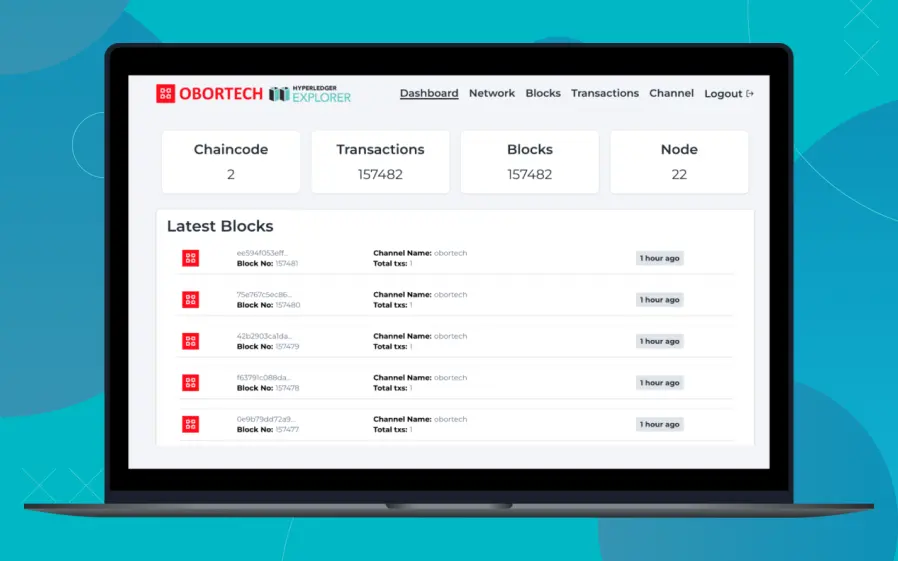
OborTech Platform Interface

OborTech

OborTech’s Smart Hub runs on a Blockchain-as-a-Service model, which lets teams build blockchain apps without wrestling with heavy infrastructure. The contracts sit cleanly alongside third-party cloud systems and scale without friction.

  • Cut infrastructure complexity by 41%
  • Improved transaction speed by 34%
  • Boosted user activity by 25%
Explore the Infrastructure Build →
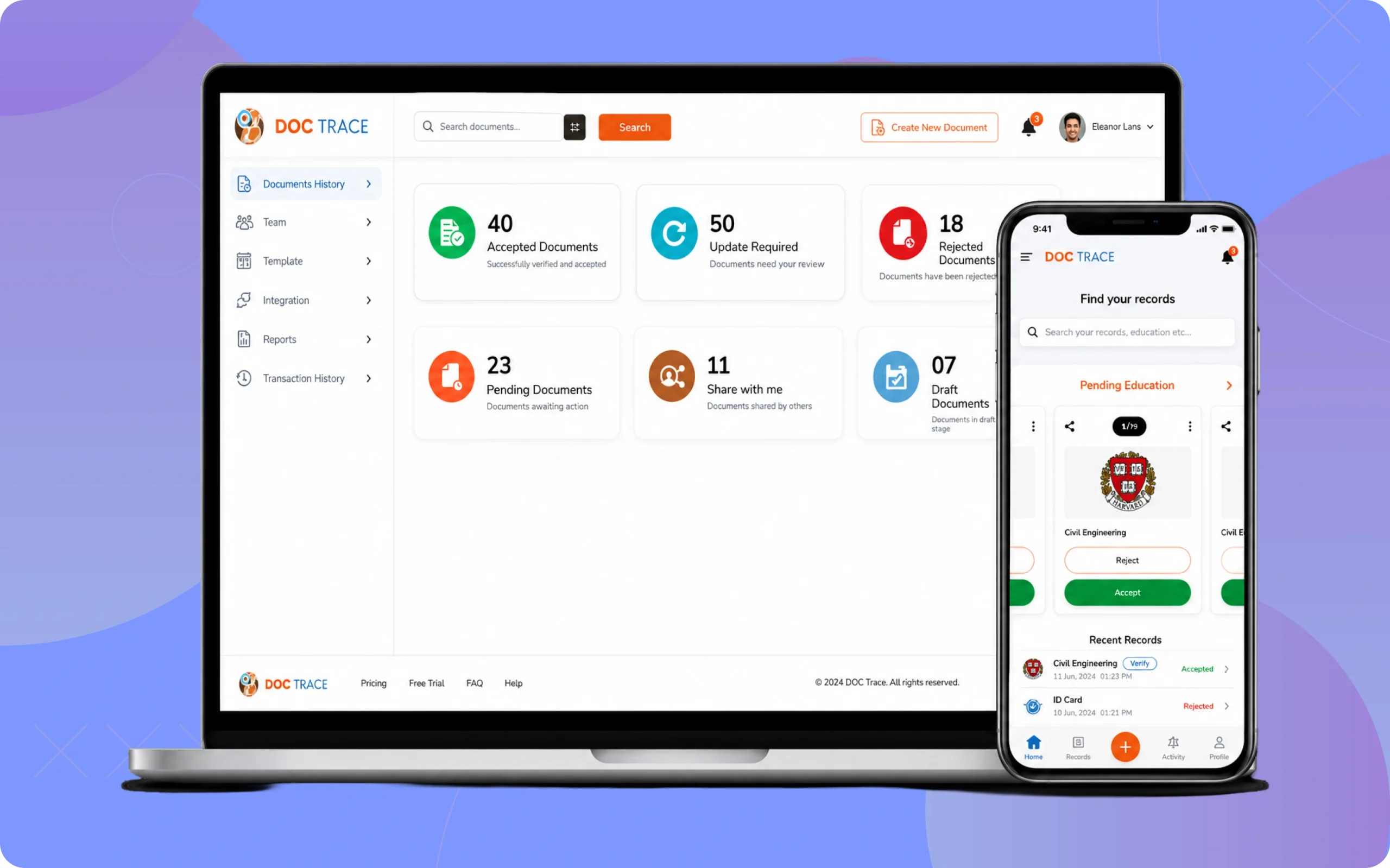
DocTrace Verification Dashboard

DocTrace

DocTrace uses smart contracts to lock document workflows on an immutable ledger, so multiple parties can create, share, and verify records without disputes or back-and-forth checks.

  • Document verification is 73% faster.
  • Operational costs have been reduced by 37%.
  • Access across multiple platforms is secure.
Explore the Verification Build →
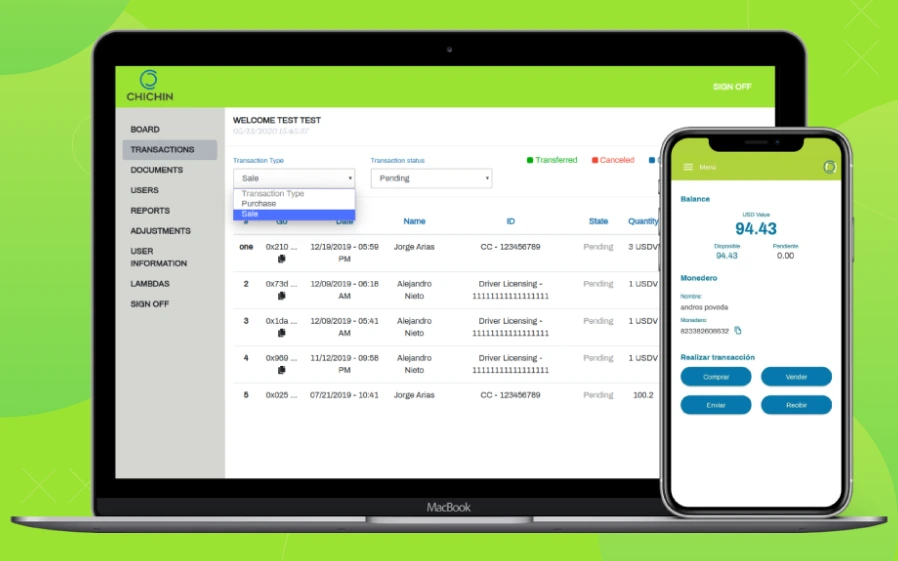
Chichin Trading Platform

Chichin

Chichin is a banking and trading platform built on an EVM-compatible chain, handling token creation, wallet connections, and real-time transactions through smart contracts that don’t slow under load.

  • Protected by a PIN-based authentication system.
  • Cuts transaction delays by 46%.
  • Deployed on multiple clouds via AWS and Infura.
Explore the Trading Platform Build →
CTA Background

Built by Teams Shipping Production-Grade Smart Contracts

We’ve designed and deployed 1178+ smart contracts powering live DeFi platforms, marketplaces, and protocol-driven products, collectively securing millions in on-chain value. Built for production, audited, and structured to scale under real user load.

Speak to a Smart Contract Architect

Sectors Adopting Smart Contract Development

Ten sectors where contract logic carries real production weight, each mapped to work we've delivered.

DeFi & Lending Protocols Icon

DeFi & Lending Protocols

collateral management, automated liquidations, and interest accrual running without a loan officer in the loop.

Digital Asset Exchanges Icon

Digital Asset Exchanges

swap routing, concentrated liquidity, and non-custodial settlement enforced at the contract layer.

Banking & Payments Icon

Banking & Payments

token issuance, wallet connections, and real-time transaction settlement on EVM-compatible chains.

Real Estate Icon

Real Estate & Asset Tokenization

fractional ownership, compliant transfers, and automated dividend distribution using ERC-3643 security tokens.

Insurance Icon

Insurance

parametric claim validation and settlement triggered by verified data rather than manual assessor review.

Gaming & Web3 Icon

Gaming & Web3

in-game economies, NFT assets, staking, and marketplaces that scale without breaking player ownership.

Supply Chain Icon

Supply Chain & Trade Finance

tokenized warehouse receipts and invoice financing that remove duplicate pledging and document fraud.

Media & Entertainment Icon

Media & Entertainment

royalty splits and automated payouts to rights holders the moment revenue lands on-chain.

Legal & Compliance Icon

Legal & Compliance

immutable registries of executed agreements, amendments, and verification histories across jurisdictions.

Energy & Carbon Markets Icon

Energy & Carbon Markets

verified carbon credit tokenization with automated retirement certificates and transparent secondary trading.

Move Faster and Safer with Our Cloud Infrastructure Partners

A smart contract is only half the system. The other half runs off-chain: RPC nodes, indexers, backend services, key storage, and monitoring. That half decides whether your product stays up when a mint goes viral, or a liquidation cascade starts. We build it on AWS, Microsoft Azure, and Google Cloud as a certified partner, so infrastructure decisions come with vendor-backed reference architectures instead of guesswork.

How We Build Smart Contract Systems That Scale

We build our process around production reality. Each step removes a category of risk early, so contracts are cheaper to audit and safer to change later. The process consists of six stages, typically taking 4 to 8 weeks from start to finish.

Scope Icon
01.

Scope

(week 1)

We decide what belongs on-chain and what doesn't, then write the contract behaviour down in plain language before anyone opens an editor. Most cost overruns start with an on-chain decision that should have been off-chain.

You get:

a documented on-chain/off-chain split and a fixed scope.

Architecture Icon
02.

Architecture

(weeks 1-2)

Chain selection based on fees, liquidity, and where your users already hold assets. Contract topology, upgrade pattern, and admin role structure are locked here, because retrofitting any of the three later means migrating state.

You get:

a system diagram, a chain recommendation, and a chosen upgrade pattern.

Threat Model Icon
03.

Threat Model

(week 2)

We map the failure paths before the happy path: what an attacker touches first, which role can drain what, what breaks if an oracle lies. Access controls, timelocks, and multisig thresholds come out of this stage, not out of the audit.

You get:

a documented threat model and a signed-off access control matrix.

Build Icon
04.

Build

(weeks 2-5)

Solidity or Rust written against OpenZeppelin standards, with gas benchmarked per user action as we go. Frontend, backend, and wallet integration happen alongside the contracts rather than after them.

You get:

contracts, a test suite, and working integration, with gas figures you can check.

Test & Audit Icon
05.

Test & Audit

(weeks 5-7)

Foundry fuzz and invariant testing plus forked-mainnet simulation, then external audit. Critical and high findings are resolved as part of the engagement, not billed as change requests.

You get:

a clean audit report and every critical finding closed.

Deploy & Monitor Icon
06.

Deploy & Monitor

(weeks 7-8)

Staged deployment with source code verified on every explorer, then Tenderly alerting on live contracts and an incident runbook your team can actually follow.

You get:

verified contracts live, monitoring running, and a documented response plan.

CTA Background

Build Contracts That Survive Audits, Volatility, and Real Users

Tell us what you're building. You'll get an architecture opinion, a chain recommendation, and a fixed-scope estimate from an engineer rather than a salesperson.

Book a Strategy call

Why Teams Choose SoluLab for Smart Contract Development

We help founders and enterprises ship contracts that survive audits, market volatility, and real usage, without burning months fixing avoidable mistakes.

Fast Time-to-Market

Live in 4 to 8 weeks, depending on scope.

Audit-Friendly Architecture

Auditors get clean, documented, and testable code.

Security-First Logic Design

Threat modeling is completed before implementation begins.

Gas-Efficient & Upgrade-Aware

Proxy patterns and optimizations are planned up front.

EVM & Non-EVM Expertise

Shipped across chains including Ethereum, Solana, TON, Aptos and more.

ISO, CMMI Level 3, SOC 2

Certified and skilled team outputs delivering enterprise-grade quality.

Meet Your Architect

Rajat Lala

"The contract is usually the part teams worry about, and it's rarely where they get hurt. Key custody, admin roles, and oracle inputs are where the money leaves. We design those in the same sprint as the contract, not after the audit comes back."

Rajat Lala · Co-Founder, SoluLab · View full profile
Testimonials

Hear from Founders Who’ve Shipped Smart Contracts with Us

Teams work with us because we help them launch contracts that hold up under real users, real volume, and real scrutiny, so things keep running smoothly when activity spikes or compliance questions come up.

Our first version of the smart contract worked, but the transaction costs were becoming difficult to justify as usage increased. SoluLab reviewed the contract logic and identified areas where the architecture could be simplified without affecting the core functionality. The optimization work made a noticeable difference to the economics of the platform and gave us a much better foundation to scale.

Rohan Kapoor

Rohan Kapoor

Chief Technology Officer, BlockHarbor Finance

The biggest challenge for us was not writing a smart contract; it was knowing whether the contract would behave as expected under situations we hadn't originally considered. SoluLab's team spent significant time working through edge cases, permission levels, failed transactions, and unusual user behaviour. That process gave us far more confidence before moving from the test environment to mainnet.

Alicia Monroe

Alicia Monroe

Head of Product, NovaChain Labs

Our platform required multiple smart contracts to work together, along with wallet integrations and off-chain application logic. SoluLab helped us design the overall architecture instead of treating each contract as an isolated piece of code. The result was a much cleaner system, and our team found it considerably easier to maintain as we continued adding new functionality.

Daniel Whitaker

Daniel Whitaker

VP of Engineering, ChainSphere Digital

We needed to automate a process that previously depended on manual approvals and third-party coordination. SoluLab helped us convert the business rules into smart contract logic while making sure the right controls were still in place. Once deployed, the workflow became significantly more transparent, and every transaction followed the same predefined rules without manual intervention.

Priya Malhotra

Priya Malhotra

Director of Digital Innovation, AssetBridge Solutions

FAQ

Helpful resource to grow your business

A smart contract development company designs, writes, tests, audits, and deploys the on-chain code that enforces your business rules. That covers architecture, Solidity or Rust development, gas optimization, security review, chain deployment, and integration with wallets and backend systems.

Smart contract development typically costs $3,000 to $25,000. A single token contract sits at the low end, staking and vesting logic runs mid-range, and full DeFi protocols with oracles and upgradeability reach the top of the band or beyond. Third-party audit fees are quoted separately.

Most projects go live in 4 to 8 weeks. A single token contract can be production-ready in one to two weeks. A DeFi protocol with oracle dependencies and an external audit typically runs six to ten. The audit queue, not the code, is often the long pole.

Ethereum, Base, Arbitrum, Polygon, BNB Chain, Avalanche, Optimism, Solana, TON, Aptos, Tron, and Hyperledger Fabric. We help you choose based on transaction fees, where your users already hold assets, and how the product needs to scale, not on which chain is trending.

Usually not. We start from audited, battle-tested patterns such as OpenZeppelin contracts and Uniswap or Aave reference architectures, then shape them around your use case. That saves weeks and means auditors aren't discovering basic logic issues in custom code.

Yes, if you plan for it. We use proxy upgrade patterns with timelocks and multisig control, decided during architecture. Retrofitting upgradeability onto a deployed immutable contract usually means migrating state to a new deployment, which is expensive and risky.

No. In H1 2026, smart contract bugs were the most common attack type by count, but roughly 40% of the money lost came from compromised private keys and admin credentials. Audits cover code. Key custody, multisig thresholds, timelocks, and live monitoring cover the rest.

You do. All source code, tests, deployment scripts, and documentation transfer to you on delivery, and the repository sits under your organization from the first commit. We do not retain rights to reuse project-specific contract logic.

We fix it and the auditor re-tests before deployment. Critical and high-severity findings are resolved as part of the engagement, not billed as change requests. Informational and gas-optimization findings are reviewed with you, since not all are worth the code churn.

Storage layout packing, minimizing on-chain writes, batching operations, using events instead of storage where possible, and Foundry gas snapshots on every commit. We benchmark gas per user action before and after optimization so the saving is measurable.

Yes. Post-launch support covers Tenderly monitoring and alerting on deployed contracts, an incident response runbook, upgrades as the product evolves, and help with new chain deployments. Engagement terms are agreed before launch, not improvised after an incident.

Yes. We start with a code review and threat model of the existing deployment, document what's live versus what's in the repository, and flag any unverified source code on-chain. Unverified contracts are a known attack magnet and verification is usually the first fix.

Articles

Latest Insights from Experts